Premature Baby Care
Review of breathing, feeding, temperature stability, growth and complications associated with early birth.

From birth through follow-up
Specialist assessment for babies born early, babies who needed intensive care and newborns with feeding, jaundice, breathing or growth concerns.
Neonatology
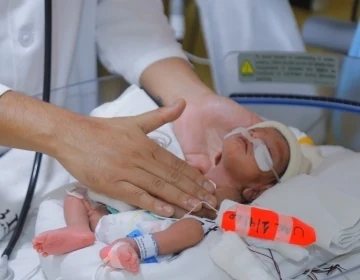
A neonatologist is a pediatric specialist trained to care for newborn infants, particularly premature, critically ill or medically fragile babies. Care may begin before birth with counselling and continue after discharge through growth and developmental follow-up.
Common care pathways
Review of breathing, feeding, temperature stability, growth and complications associated with early birth.
Bilirubin assessment, risk evaluation, feeding support and phototherapy decisions when indicated.
Jaundice guide →Assessment of breastfeeding, milk transfer, tongue tie, vomiting and poor weight gain.
Evaluation of fast breathing, respiratory distress, TTNB, pneumonia, RDS and PPHN.
Growth, nutrition, hearing, vision and developmental review after a high-risk birth or NICU stay.
Understanding newborn screening results and arranging follow-up after a refer result.
Hearing guide →After NICU discharge
Weight, length and head growth are interpreted using the baby's gestational age and clinical history.
Review intake, breast or bottle feeding, supplements and signs of swallowing difficulty.
Monitor tone, movement, interaction and age-adjusted developmental milestones.
Confirm hearing, vision, newborn screening, vaccination and specialist follow-up plans.
More newborn topics from the original guide
Discuss each plan with your maternity and newborn care teams.
Discuss birth planning, delayed cord clamping where appropriate, early skin-to-skin contact, warmth and feeding with the obstetric and newborn teams.
Keep newborn care gentle. Follow the maternity team’s cord-care instructions and keep the stump clean and dry. Seek help for spreading redness, pus, fever or an unwell newborn.
Mild scalp flakes often settle, but painful, spreading, infected or persistent rashes need assessment. Avoid scraping scales or using medicated creams without advice.
Check feeding, temperature, nappy and comfort. Seek assessment when crying is unusual or accompanied by fever, poor feeding, vomiting, breathing changes or lethargy.
Positioning, attachment, milk transfer, maternal comfort and infant weight all matter. Ask for skilled feeding support if feeding hurts or the baby is not feeding effectively.
The original website included an ear-piercing video and service information. Discuss timing, infection prevention, allergies and your child’s health with a clinician before deciding.
View parent resources →Urgent care
Do not rely on website information when a newborn has breathing difficulty, blue lips, fever, seizures, marked lethargy, repeated vomiting, rapidly worsening jaundice or very poor feeding.
Bring pregnancy and delivery records, NICU discharge summaries, bilirubin or screening reports, feeding details, growth records and all current medicines or supplements.