Parent education
Newborn & Child Care Resources
Clear, practical information to support conversations with your clinician. These guides do not diagnose or replace an examination.


Newborn Bathing
Keep bathing brief, maintain warmth, use gentle products and support the head and neck securely.
Read quick guidance →Breastfeeding After Birth
Early skin-to-skin contact and feeding support can help establish breastfeeding.
Read quick guidance →Colic & Persistent Crying
Understand normal crying patterns and symptoms that require medical review.
Read quick guidance →Quick guidance
Bathing a Newborn
Choose a warm, draft-free room and prepare everything before starting. Keep the bath short, support the baby's head and neck, and use lukewarm rather than hot water. A sponge bath may be appropriate while the cord area is healing, depending on local clinical advice.
Seek advice for redness spreading around the cord, discharge with an unpleasant smell, fever, marked lethargy or poor feeding.
Quick guidance
Breastfeeding After Birth
Skin-to-skin contact and frequent feeding attempts can support early breastfeeding. Comfortable positioning and an effective latch matter more than feeding to a rigid clock. Premature or unwell babies may require an individualized feeding and milk-expression plan.
Arrange assessment if the baby is too sleepy to feed, has fewer wet nappies than expected, loses excessive weight or breastfeeding is persistently painful.
Quick guidance
Colic & Persistent Crying
Crying often peaks in early infancy. A calm routine, feeding review and safe soothing may help. Colic should not be assumed until illness, feeding problems and other causes have been considered.
Seek urgent care for fever, breathing difficulty, green vomiting, blood in stool, a swollen abdomen, unusual sleepiness, seizures or a weak/high-pitched cry.
More from the original website
Browse expanded child health guidance, restored clinical videos and the full professional photo archive.
Video guidance
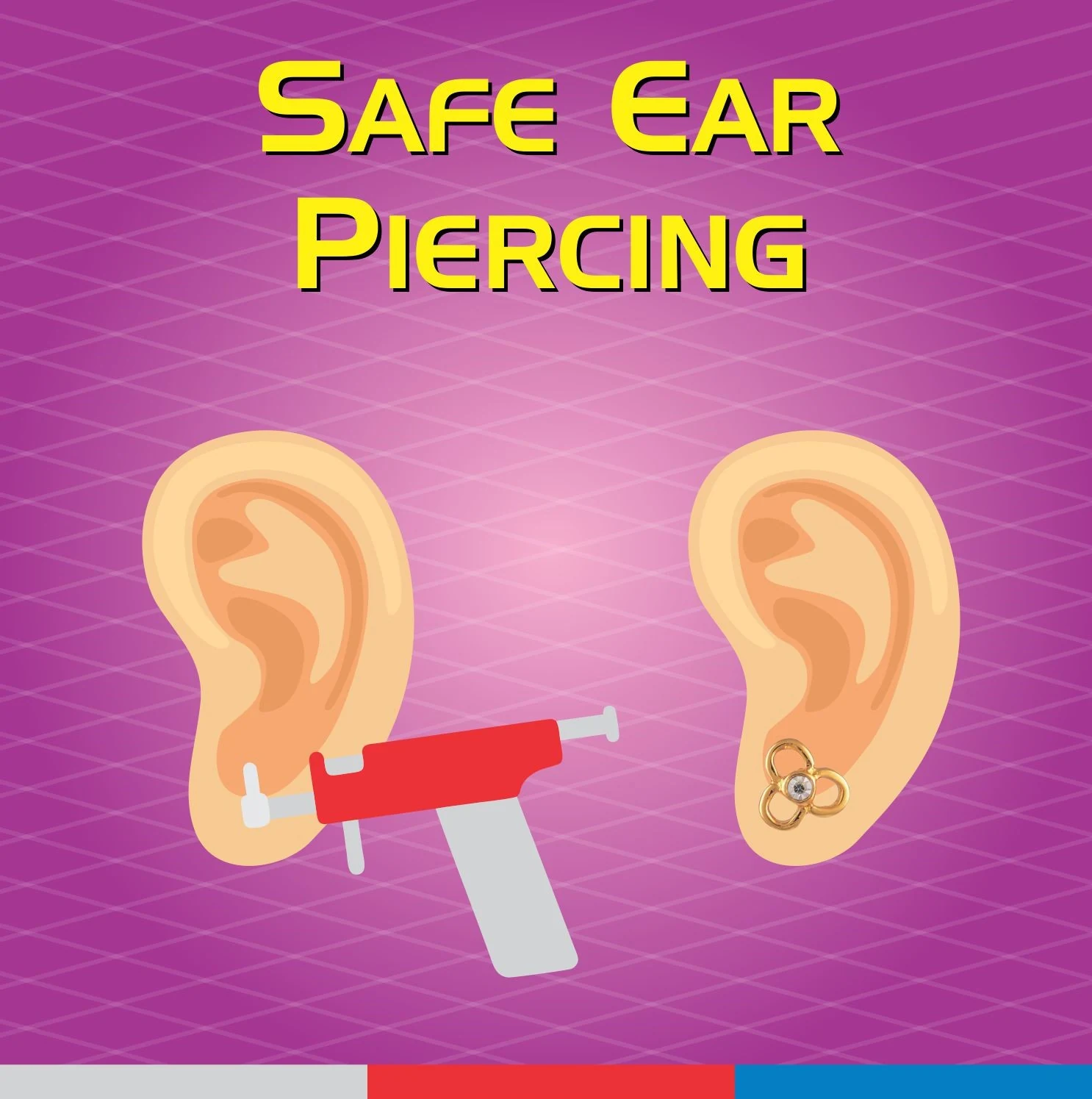
Safe Ear Piercing
The original website included this parent education poster and a short video. Discuss timing, infection prevention and aftercare with your clinician.
All Original Videos